Best Reusable Products for Daily Life
Simple swaps that make a big difference for the planet
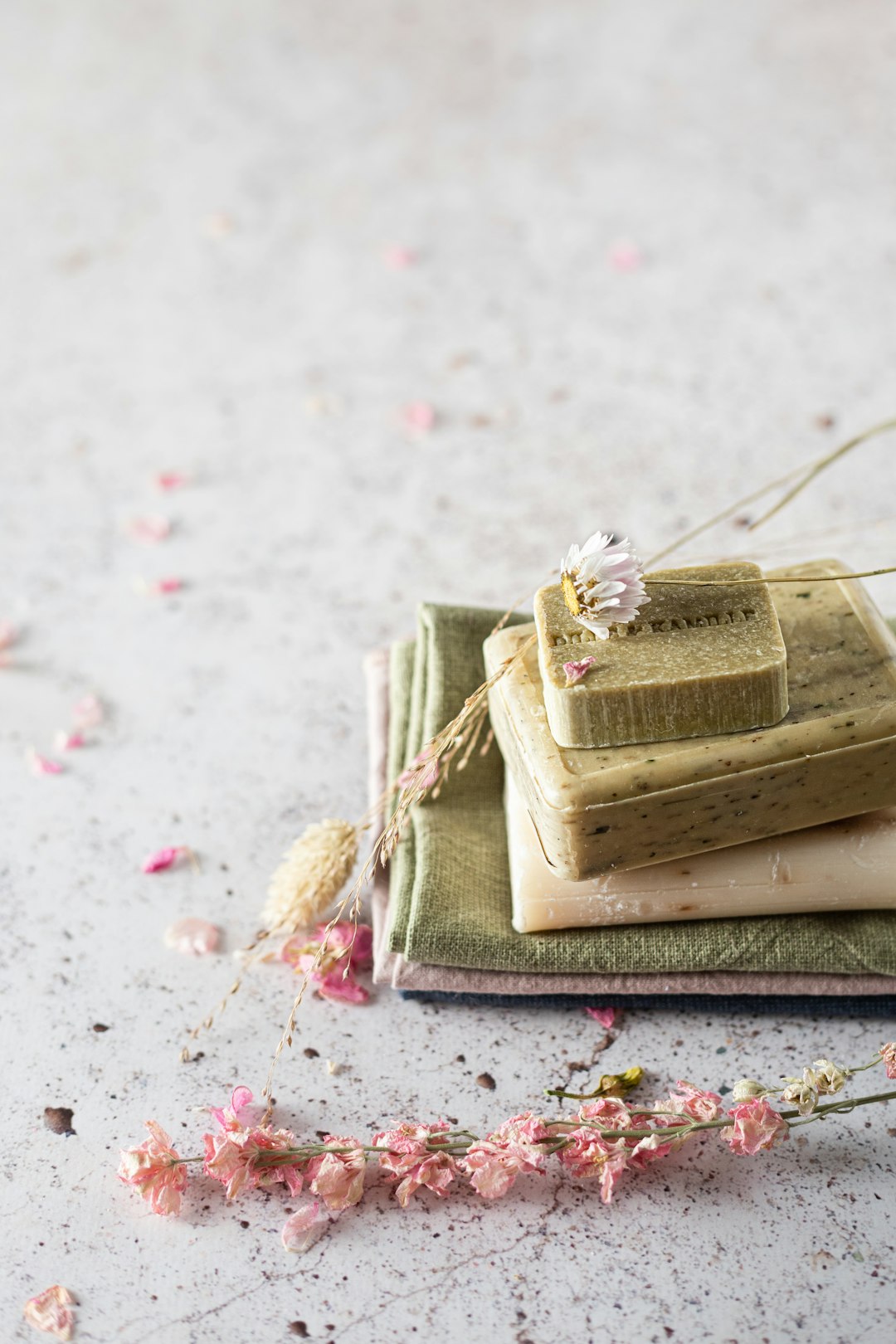
Single-use products have become so ingrained in our daily routines that we often don't realize how much waste we generate. From disposable coffee cups to plastic shopping bags, these items create massive amounts of trash that persists in the environment for decades or centuries. The good news is that switching to reusable alternatives is easier and more affordable than ever. This guide explores the best reusable products that seamlessly integrate into daily life while dramatically reducing your environmental impact.
Reusable Water Bottles
One of the easiest and most impactful switches you can make is carrying a reusable water bottle. Americans alone use over 50 billion plastic water bottles annually, with only about 23% being recycled. A quality reusable bottle eliminates this waste while saving money. Stainless steel bottles keep drinks cold for 24 hours or hot for 12 hours, making them practical year-round. Glass bottles with silicone sleeves offer pure taste without any metallic flavor. Look for bottles with wide mouths for easy cleaning and ice addition. Many modern designs fit in car cup holders and backpack pockets, making them convenient for any lifestyle. The initial investment pays for itself within weeks compared to buying bottled water.

Reusable Coffee Cups and Travel Mugs
If you're a coffee drinker who frequents cafes, a reusable coffee cup is essential. Disposable coffee cups are rarely recyclable due to their plastic lining, contributing to massive waste. Insulated travel mugs keep beverages hot for hours while preventing spills during commutes. Many coffee shops offer discounts when you bring your own cup, providing ongoing savings. Collapsible silicone cups are perfect for people with limited bag space, folding flat when not in use. Ceramic travel mugs with silicone lids offer the authentic coffee shop experience without the waste. Clean your cup thoroughly after each use to prevent odors and bacteria buildup. Having multiple cups means always having a clean one ready when rushing out the door.
Reusable Shopping Bags
Plastic shopping bags are one of the most visible forms of pollution, littering landscapes and harming wildlife. Reusable shopping bags eliminate this problem while being more durable and easier to carry. Keep several bags in your car, purse, or by the door so you always have them when needed. Canvas tote bags are classic and sturdy, perfect for heavy groceries. Nylon bags fold into tiny pouches that fit in pockets or purses. Insulated bags keep frozen foods cold during the trip home. Mesh produce bags replace thin plastic bags in the produce section. Some municipalities have banned or taxed plastic bags, making reusable bags necessary as well as environmentally friendly. Wash bags regularly, especially those used for produce or meat.
Reusable Straws
Plastic straws have become a symbol of unnecessary single-use items. Though they seem small, hundreds of millions are used daily worldwide. Reusable straws made from stainless steel, glass, or silicone provide alternatives suitable for any beverage. Metal straws are durable and keep drinks cold. Glass straws allow you to see cleanliness and don't affect taste. Silicone straws are flexible and safe for children. Most reusable straws come with cleaning brushes for easy maintenance. Keep a set at home and carry a travel set in your bag or car. Collapsible straws fit on keychains, ensuring you always have one available. Many restaurants now offer paper or no straws, but having your own reusable option provides the best experience.

Reusable Utensils
Disposable plastic utensils from takeout restaurants accumulate quickly. Carrying reusable utensils eliminates this waste while providing better quality dining tools. Travel utensil sets typically include a fork, knife, spoon, and sometimes chopsticks in a compact carrying case. Bamboo utensil sets are lightweight and naturally antimicrobial. Stainless steel sets are durable and dishwasher safe. Some sets include folding designs that take up minimal space. Keep a set in your desk, car, or daily bag so you're prepared for any meal situation. Using your own utensils is also more hygienic than restaurant-provided plastic ones of questionable cleanliness.
Cloth Napkins
Paper napkins and paper towels represent significant household waste. Switching to cloth napkins for meals reduces this waste while adding elegance to dining. Modern cloth napkins come in various styles from casual to formal, suitable for everyday use or special occasions. They're more absorbent than paper alternatives and wash easily with regular laundry. Having multiple sets ensures you always have clean napkins available. For casual dining, simple cotton napkins work perfectly. Linen napkins are ideal for special occasions. Cloth napkins are particularly economical for families who use many paper products. Over time, the savings on paper products significantly offset the initial investment in cloth alternatives.
Beeswax Wraps for Food Storage
We've mentioned beeswax wraps before, but they deserve emphasis as one of the best reusable products for food storage. These wraps replace plastic wrap and aluminum foil, which are used once and discarded. Beeswax wraps mold around food or containers using hand warmth, creating a seal that keeps food fresh. They're washable and reusable for about a year. The natural antibacterial properties of beeswax help preserve food. They work for covering bowls, wrapping sandwiches, cheese, vegetables, and bread. Simply wash with cool water and mild soap, air dry, and they're ready to use again. When they eventually wear out, they're compostable.

Reusable Food Containers
Quality food storage containers reduce reliance on disposable plastic bags and containers. Glass containers with snap lids are microwave and dishwasher safe, don't stain or retain odors, and last for years. Stainless steel containers are lightweight and virtually indestructible, perfect for lunches and leftovers. Silicone containers collapse for easy storage when not in use. Having various sizes handles different food storage needs. Using reusable containers for meal prep saves money on takeout while providing healthier, homemade meals. They're also useful for storing non-food items like office supplies or craft materials. The versatility and longevity of quality containers make them excellent investments.
Rechargeable Batteries
Disposable batteries contain toxic materials and create hazardous waste. Rechargeable batteries can be used hundreds of times, dramatically reducing waste and saving money. Modern rechargeable batteries hold charges comparable to disposables and recharge quickly. Having multiple sets allows you to always have charged batteries ready. A quality battery charger is a one-time investment that pays for itself many times over. Rechargeable batteries work in any device that uses standard batteries: remote controls, flashlights, toys, cameras, and more. When rechargeable batteries finally do wear out, they should be recycled at appropriate facilities to safely handle their materials.
Reusable Lunch Containers and Bags
Packing lunch in disposable bags creates daily waste. Insulated lunch bags or boxes keep food at proper temperatures while being used for years. Modern designs are stylish and functional with multiple compartments for organized meals. Bento-style containers with dividers keep different foods separated without needing multiple containers. Some lunch systems include reusable ice packs that maintain safe food temperatures. Teaching children to use reusable lunch containers from an early age establishes good environmental habits. The money saved by packing lunches instead of buying them adds up significantly over time, and using reusable containers makes the process more sustainable.
Making Reusable Products a Habit
The key to successfully using reusable products is making them convenient. Keep items where you'll remember to grab them: reusable bags by the door, water bottles in your car, utensils in your desk. Having multiples means you won't be caught without them if one is dirty or forgotten elsewhere. Start with one or two items and add more as they become habitual. Soon, grabbing your reusable items will feel as natural as grabbing your keys.
Remember that even reusable products have environmental impacts during production. The goal is to buy quality items once rather than replacing them frequently. Care for your reusable products properly to maximize their lifespan. Clean them regularly, store them appropriately, and repair when possible rather than replacing.
Conclusion
Switching to reusable products is one of the most straightforward and impactful changes you can make for environmental sustainability. These products reduce waste, save money over time, and often provide better functionality than their disposable counterparts. Starting with just a few reusable items and gradually expanding your collection makes the transition manageable and sustainable. Every single-use item you replace with a reusable alternative represents a small victory for the planet. When millions of people make these simple switches, the collective impact is enormous. Choose reusable products that fit your lifestyle and needs, and you'll find that sustainable living doesn't require sacrifice—it simply requires thoughtful choices that benefit both you and the environment.